

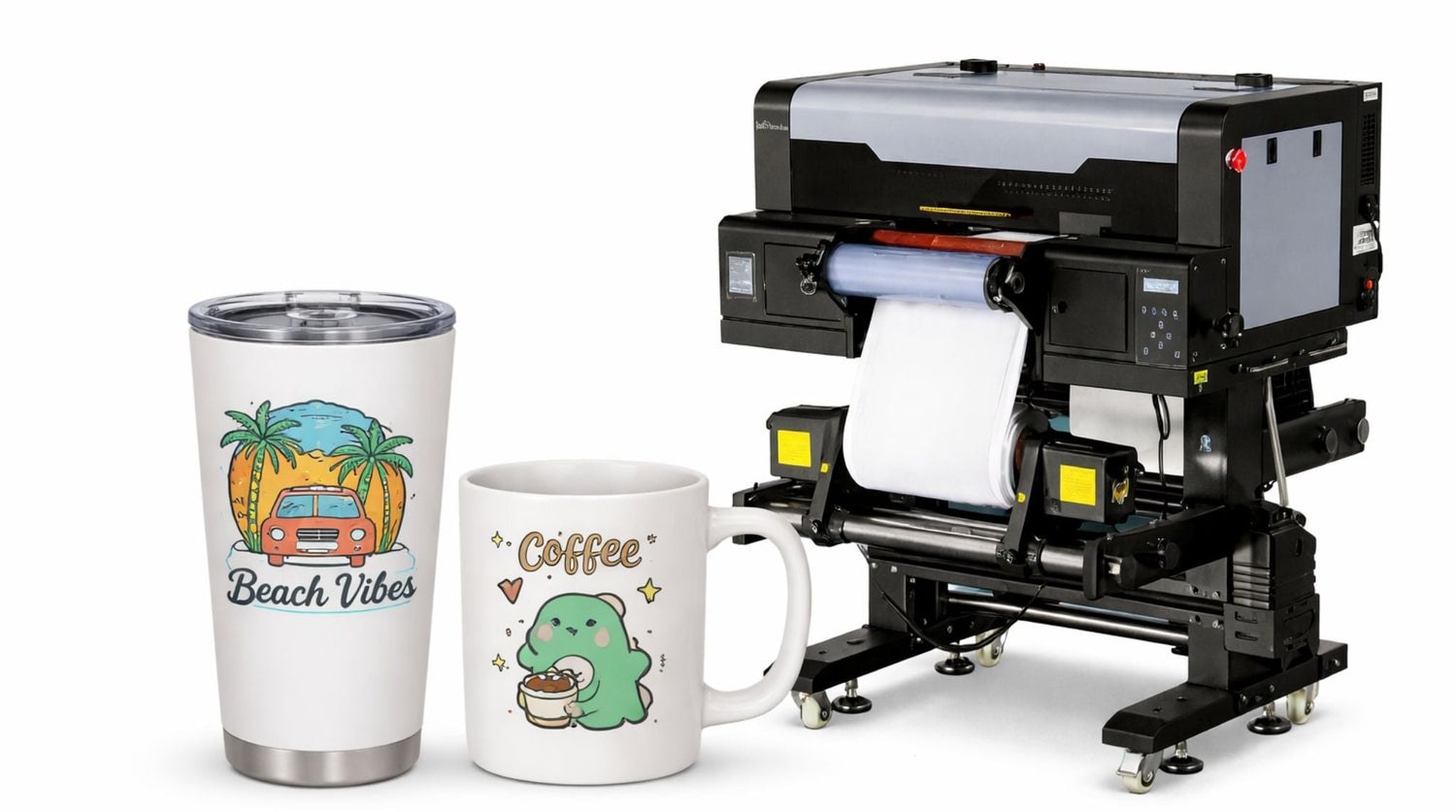
The printing industry constantly evolves as new technologies appear that improve quality, speed, and flexibility. One of the newest methods gaining attention is UV DTF Transfers. This technology has quickly become popular among hobbyists and printing businesses because it offers a modern and efficient way to produce custom designs on many types of surfaces.
In this blog, we will explain what UV DTF Transfers are, how they are different from traditional DTF printing, and answer some common questions. By the end, you will understand why this technology is becoming so important in the custom printing industry.
What Is a UV DTF Transfer?
UV DTF stands for Ultraviolet Direct-to-Film Transfer. This printing technique combines UV printing technology with a special transfer film to produce high-quality images that can be applied to many different materials.
In this process, a design is printed onto a transfer film using UV ink. While the ink is being printed, ultraviolet light immediately cures or dries the ink. This instant curing process locks the colors into place and creates a strong, durable design that sticks accurately to the surface.

This curing method is one of the main reasons UV DTF printing stands out. Because the ink dries instantly, the final design has sharper details, brighter colors, and better durability. Once printed, the design can be transferred to surfaces such as glass, metal, plastic, wood, and more. Unlike many other printing methods, UV DTF does not require heat during the transfer process, making it safe for materials that could be damaged by high temperatures.
UV DTF Transfers vs Traditional DTF Transfers
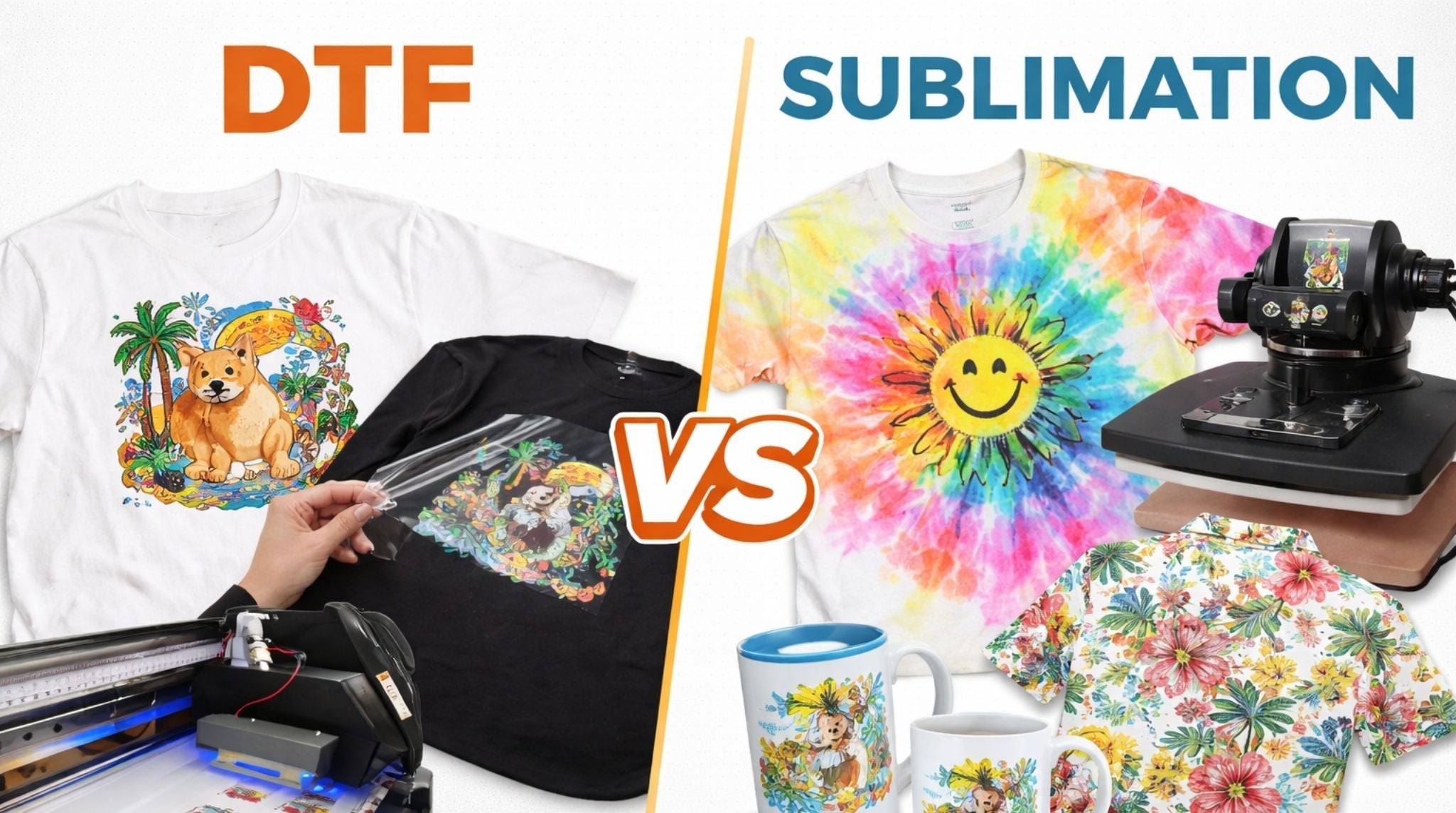
Many people ask how UV DTF differs from regular DTF printing. While both processes use a film to transfer a design, there are several key differences between them.
Curing Method
Traditional DTF printing requires heat to transfer the design from the film onto fabric. UV DTF, however, uses ultraviolet light to instantly cure the ink during the printing process. This means the design is ready to transfer right after printing.
Compatible Surfaces
Standard DTF printing is mainly used for textiles such as t-shirts and other garments. UV DTF printing works better on hard surfaces including glass, plastic, metal, ceramic, and wood. Because of this, it is widely used for product decoration, signage, and promotional items.
Durability
The UV curing process creates a stronger bond between the ink and the film. As a result, UV DTF transfers are more resistant to scratches, water exposure, and fading over time.
Benefits of Using UV DTF Transfers
There are several reasons why UV DTF printing has quickly become a preferred option for many custom printing businesses.
Bright and Sharp Colors
Because the ink is cured instantly with ultraviolet light, the colors stay vivid and clear. This produces high-quality prints that maintain their visual appeal on different surfaces.
No Heat Required
Unlike many transfer techniques, UV DTF does not require heat to apply the design. This makes it suitable for materials that could warp or melt when exposed to high temperatures.
Waterproof and Scratch Resistant
UV-cured ink creates a very durable finish. The final transfer can resist water, scratches, and regular handling, making it suitable for outdoor items or products used daily.
Works on Many Surfaces
Another major advantage of UV DTF Transfers is versatility. They can be applied to glass, plastic, metal, acrylic, and even some coated surfaces. This allows businesses to create customized drinkware, decorative items, promotional merchandise, and signage.
Environmentally Considered Technology
UV curing typically uses less energy than traditional printing processes and releases fewer volatile organic compounds. Because of this, it is often considered a more environmentally responsible printing method.
Can UV DTF Be Used on T-Shirts?
Although UV DTF Transfers work on many materials, they are generally not used for fabric clothing such as t-shirts. Traditional DTF printing and screen printing are better options for textiles because they provide flexibility and can withstand repeated stretching and washing.
UV DTF is designed mainly for hard, non-porous surfaces such as glassware, metal products, plastic containers, and decorative panels.
Are UV DTF Transfers Waterproof?
Yes, UV DTF Transfers are highly water resistant. Once the UV ink is cured and the transfer is applied to the surface, the design becomes durable and resistant to moisture.
This makes UV DTF printing a great choice for products like drinkware, outdoor signage, bottles, and other items that may come into contact with water. The design remains intact even with regular use and exposure to different environmental conditions.
UV DTF Transfers are quickly becoming one of the most exciting developments in the printing industry. Their ability to produce vibrant colors, strong durability, and compatibility with many materials makes them an excellent option for creating custom merchandise, promotional products, and decorative items.
If you want to start working with this modern printing technology, Florida DTF Factory offers a wide selection of UV DTF printers and supplies to help you produce professional-quality results. Explore the available products and discover how UV DTF printing can take your custom designs to the next level.
Frequently Asked Questions
What is the difference between UV DTF and regular DTF?
The main difference lies in the curing process and the surfaces they are used on. UV DTF uses ultraviolet light to cure ink instantly and works best on hard surfaces such as glass, metal, and plastic. Traditional DTF uses heat to transfer designs onto fabrics.
How does the UV DTF transfer process work?
The design is printed onto a special transfer film using UV ink. Ultraviolet light immediately cures the ink as it prints, creating a durable image. The film can then be applied to the target surface without the need for heat.
How long do UV DTF transfers last?
UV DTF prints are known for their durability. Because the ink is UV-cured, the designs are resistant to fading, scratching, and moisture. Depending on usage and surface type, they can last for several years.
What are the main advantages of UV DTF printing?
UV DTF offers vibrant colors, strong durability, waterproof properties, and the ability to print on many different materials. It also does not require heat for application, which expands the types of surfaces that can be decorated.
What equipment is required to print UV DTF transfers?
To create UV DTF transfers, you need a UV printer, special UV inks, and transfer film. The design is printed onto the film and cured with UV light during the printing process.
How can UV DTF transfers be produced?
First, print the design onto transfer film using a UV printer. The ink cures instantly under ultraviolet light. After printing, the film is applied to the desired surface with pressure to complete the transfer.

Leave a comment
This site is protected by hCaptcha and the hCaptcha Privacy Policy and Terms of Service apply.