


You've just added the perfect graphic tee to your wardrobe - maybe it's a bold statement piece, a vintage-inspired design, or a custom creation that perfectly captures your style. The colors are vibrant, the design is crisp, and you're already imagining all the ways you'll style it.
But then reality hits: how do you keep that stunning DTF print looking fresh and crack-free after washing? The last thing you want is to see your favorite graphic tee deteriorate after just a few wash cycles. Don't worry - with the right care approach, your DTF graphic tees can maintain their bold appearance and soft feel for years to come.
Understanding DTF Printing and Why Proper Care Matters
Direct-to-Film (DTF) printing represents a breakthrough in custom apparel decoration. This innovative process transfers intricate designs onto fabric using specialized film and adhesive powder, creating prints that are both vibrant and surprisingly soft to the touch.
Unlike traditional printing methods, DTF creates a thin, flexible layer that bonds directly with fabric fibers. This unique construction delivers exceptional detail and color vibrancy, but it also requires specific care to maintain its integrity. The adhesive layer that makes DTF prints so durable can become brittle or separate from the fabric when exposed to harsh washing conditions.
Why DTF Prints Are Different:
- The printed design sits as a thin film layer on top of the fabric
- Heat-activated adhesives create the bond between print and garment
- The flexible nature of DTF allows for comfortable wear and natural fabric movement
- Proper care maintains both the visual quality and physical integrity of the print
Common Damage Causes:
- Excessive heat breaks down adhesive bonds
- Harsh detergents can degrade the film layer
- Mechanical stress from aggressive washing cycles causes cracking
- Improper drying methods can cause shrinkage and print distortion
Pre-Wash Preparation: Setting Up for Success
The key to maintaining your DTF graphic tees starts before they ever touch water. Proper preparation protects your investment and ensures consistent results.
Essential Pre-Wash Steps
Turn Garments Inside Out: This simple step provides crucial protection by placing a fabric barrier between the print and other items in the wash. The inside-out method reduces friction against the printed surface and prevents snagging or scraping that can damage the DTF film.
Inspect for Stains and Damage: Before washing, examine your graphic tee for specific stains or areas that need attention. Address spots individually rather than using harsh, all-over treatments that could affect the entire print.
Check Care Labels: Manufacturers include specific care instructions based on the fabric type and printing method used. These guidelines are tailored to your specific garment and should always take precedence over general advice.
Sort Carefully: Group your DTF graphic tees with similar colors and fabric weights. Avoid washing them with heavy items like jeans or items with zippers, buttons, or rough textures that could catch or scrape the print surface.
Stain Treatment Strategy
When dealing with stains on DTF graphic tees, location matters. For stains on printed areas:
- Dab gently rather than rubbing
- Use mild, color-safe stain removers
- Test any treatment on an inconspicuous area first
- Allow stain treatment to work without scrubbing
For stains on unprinted fabric areas, you have more flexibility with stain removal methods, but always err on the side of caution to avoid spreading treatment onto the printed design.
The Right Way to Wash DTF Graphic Tees
Washing DTF graphic tees requires a gentle approach that balances cleanliness with print preservation. The goal is to remove dirt and odors while maintaining the integrity of both the fabric and the printed design.
Water Temperature Guidelines
Cold Water is Essential: Hot water poses the greatest threat to DTF prints. High temperatures can soften the adhesive layer, causing it to lose its bond with the fabric. Cold water (below 80°F) effectively cleans most soils while preserving the print structure.
Benefits of Cold Water Washing:
- Preserves adhesive bond strength
- Prevents color bleeding and fading
- Reduces fabric shrinkage that can stress printed areas
- More environmentally friendly and energy-efficient
Machine Settings and Cycle Selection
Gentle Cycle Advantages: The gentle or delicate cycle reduces mechanical stress on your graphic tees. These cycles use slower agitation speeds and shorter wash times, minimizing the physical forces that can cause print cracking or peeling.
Load Size Considerations: Avoid overloading the washing machine. Crowded conditions increase friction between garments and reduce water circulation, leading to inadequate cleaning and increased wear on printed areas.
Spin Speed Settings: If your machine allows manual spin speed selection, choose a lower setting. High-speed spinning can create excessive stress on printed areas, particularly at the edges where the DTF film meets the fabric.
Detergent Selection and Usage
Mild Detergent Benefits: Gentle, pH-balanced detergents clean effectively without harsh chemicals that can degrade DTF films. Look for detergents labeled as "gentle," "sensitive skin," or "color-safe."
Avoid These Detergent Types:
- Bleach-based products that can break down print materials
- Heavy-duty detergents with aggressive surfactants
- Detergents with optical brighteners that can react with print inks
- Combination products that include fabric softeners
Proper Detergent Amount: Use the recommended amount for your load size. Excess detergent can leave residues that attract dirt and may affect print appearance, while too little detergent won't clean effectively.
Special Additives to Avoid
Fabric Softeners: These products coat fabric fibers with a slippery layer that can interfere with DTF adhesive bonds. The coating can also attract dirt and reduce the print's ability to bond with the fabric over time.
Bleach and Whiteners: Any chlorine-based or oxygen bleach products can chemically react with DTF inks and films, causing discoloration, weakening, or complete failure of the print.
Starch and Sizing: These products create stiff coatings that can crack along with DTF prints when the fabric flexes during wear.

Hand Washing: The Premium Care Option
For your most valuable or delicate DTF graphic tees, hand washing provides the gentlest treatment possible. This method gives you complete control over every aspect of the cleaning process.
Hand Washing Procedure
Setup and Preparation:
- Fill a clean basin with cold water
- Add a small amount of mild detergent and mix gently
- Turn the garment inside out before submerging
Washing Technique:
- Submerge the garment completely and allow it to soak for 5-10 minutes
- Gently swish the water to circulate detergent through the fabric
- Avoid scrubbing, wringing, or twisting the garment
- Pay special attention to collar and underarm areas where oils accumulate
Rinsing Process:
- Drain the soapy water and refill with clean, cold water
- Gently move the garment in the rinse water to remove detergent
- Repeat rinsing until water runs clear and no soap bubbles appear
- Never wring or twist - instead, gently squeeze to remove excess water
When to Choose Hand Washing
Hand washing is particularly beneficial for:
- Vintage or irreplaceable graphic tees
- Garments with extensive or delicate print coverage
- Items that have already shown signs of wear
- Expensive or sentimental pieces
- Tees with mixed fabric types that might react differently to machine washing
Drying DTF Graphic Tees: Preserving Print Integrity
The drying process is equally important as washing for maintaining DTF print quality. Heat and mechanical stress during drying can undo all your careful washing efforts.
Air Drying: The Safest Method
Flat Drying Technique: Lay the garment flat on a clean, dry towel, smoothing out wrinkles gently. This method prevents stretching and ensures even drying without stress points that could affect the print.
Hanging Method: If you must hang dry, use padded hangers and hang by the shoulders, not the collar. Ensure the printed area isn't folded or creased against itself during drying.
Location Considerations:
- Choose a well-ventilated area with good air circulation
- Avoid direct sunlight, which can fade colors and make prints brittle
- Keep away from heat sources like radiators, heating vents, or sunny windows
- Ensure the drying area is clean and dust-free
Machine Drying Guidelines
When air drying isn't practical, machine drying can be safe with proper settings:
Temperature Settings: Use the lowest heat setting available, or preferably the air-dry or no-heat setting if your dryer has one.
Time Limits: Remove garments while slightly damp rather than over-drying, which can make prints brittle and prone to cracking.
Load Composition: Dry DTF graphic tees separately from heavy items like towels or jeans that can cause mechanical stress during tumbling.
Check Progress: Stop the dryer periodically to check on your garments and remove them as soon as they're dry.
Ironing and Heat Management
Sometimes your DTF graphic tees will need touch-up ironing or pressing. The key is managing heat exposure to avoid damaging the print.

Safe Ironing Practices
Temperature Control: Use the lowest effective temperature setting. Start with the coolest setting and increase gradually if needed for wrinkle removal.
Protection Methods:
- Always iron inside-out when possible
- Place a thin cotton cloth or parchment paper between the iron and any printed areas
- Use press-and-lift motions rather than sliding the iron across prints
- Avoid steam directly over printed areas
Alternative Wrinkle Removal:
- Hang garments in a steamy bathroom to relax wrinkles naturally
- Use a steamer held at least 6 inches away from printed surfaces
- Smooth wrinkles by hand while the garment is slightly damp
Heat Press Considerations
If you're applying additional designs or making repairs:
- Use lower temperatures than standard recommendations
- Reduce pressure to avoid compressing existing prints
- Use protective sheets to prevent direct heat contact
- Test settings on scraps or inconspicuous areas first
Storage Solutions for DTF Graphic Tees
Proper storage extends the life of your DTF graphic tees between wears and helps maintain their appearance over time.
Folding vs. Hanging
Folding Benefits:
- Prevents stretching of printed areas
- Saves space and keeps graphics protected
- Reduces stress on shoulder seams and collar areas
- Allows for neat organization and easy selection
Proper Folding Technique:
- Lay the garment face-down on a flat surface
- Fold sleeves across the back
- Fold the bottom hem up to meet the shoulders
- Store with the print facing inward for protection
When to Hang:
- Garments worn frequently that need quick access
- Items that wrinkle easily in storage
- Pieces with minimal print coverage that won't stretch
Environmental Factors
Climate Control: Store in areas with stable temperature and humidity. Extreme conditions can affect both fabric and print materials.
Light Protection: Keep stored garments away from direct sunlight or strong artificial light that can cause fading over time.
Air Circulation: Ensure storage areas have adequate ventilation to prevent moisture buildup that could lead to mildew or odors.
Pest Prevention: Use appropriate measures to protect stored clothing from insects that might damage fabric or prints.
Common Washing Mistakes That Damage DTF Prints
Understanding what not to do is just as important as knowing proper care techniques. These common mistakes can quickly ruin even high-quality DTF graphic tees.
Temperature-Related Errors
Hot Water Usage: Even moderately warm water can begin to soften DTF adhesives. What feels comfortable to your skin (around 98°F) is already warm enough to start damaging prints.
High Heat Drying: Many people assume that if a little heat helps dry clothes faster, more heat must be better. This logic fails with DTF prints, where excessive heat causes immediate and irreversible damage.
Direct Iron Contact: Placing a hot iron directly on DTF prints can cause immediate melting, bubbling, or complete removal of the design.
Chemical Damage
Bleach Products: Even "color-safe" bleaches can react unpredictably with DTF materials. The risk of damage far outweighs any cleaning benefits.
Harsh Stain Removers: Industrial-strength or "tough stain" removers often contain solvents that can dissolve DTF films or weaken adhesive bonds.
Dry Cleaning Chemicals: Most commercial dry cleaning solvents are too harsh for DTF prints and can cause complete print failure.
Mechanical Stress Issues
Overloading Machines: Cramming too many items into the washer creates excessive friction and prevents proper water circulation.
Mixing Heavy Items: Washing DTF tees with heavy items like blankets or jeans creates mechanical stress that can crack or peel prints.
Aggressive Handling: Wringing, twisting, or scrubbing printed areas during hand washing can cause immediate damage.
Troubleshooting: When DTF Prints Show Wear
Even with perfect care, DTF prints may eventually show signs of aging. Understanding what's happening and how to respond can help extend their useful life.
Early Warning Signs
Edge Lifting: Small areas where the print edge begins to separate from the fabric. This often starts at stress points like collar areas or where the garment flexes during wear.
Color Fading: Gradual loss of color intensity, usually more noticeable in lighter or more vibrant hues.
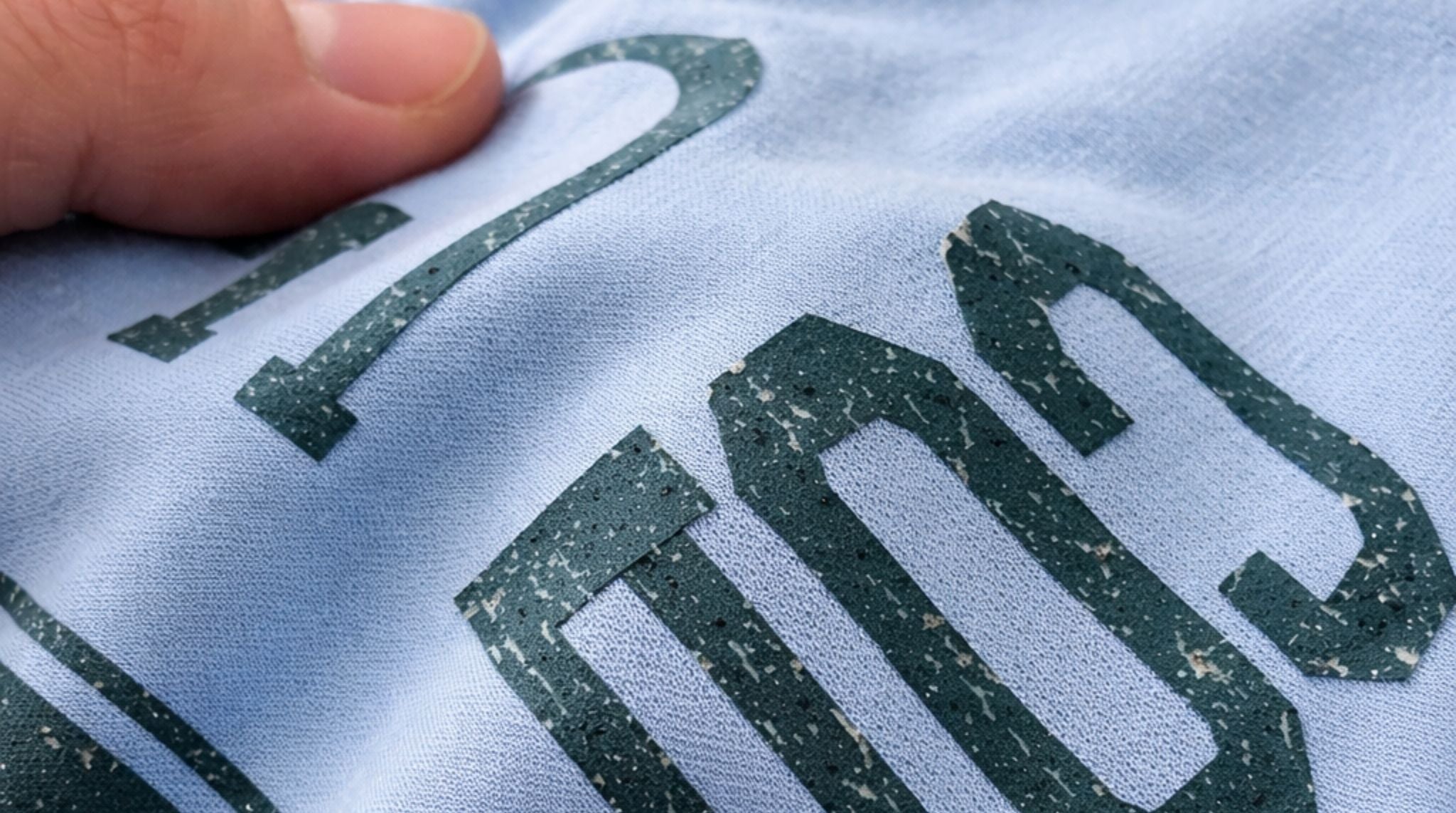
Surface Cracking: Fine lines or cracks in the print surface, typically appearing first in areas of high flex or stress.
Texture Changes: The print may become stiffer or more brittle than when new, indicating adhesive degradation.
Preventive Measures
Reduce Wash Frequency: Only wash when truly necessary. Many garments can be refreshed with airing or spot cleaning instead of full washing.
Rotate Wear: If you have multiple similar garments, rotate wearing them to reduce stress on any single piece.
Gentle Handling: Be extra careful when putting on or removing garments, avoiding pulling on printed areas.
Environmental Protection: Store carefully and avoid exposure to harsh conditions that might accelerate aging.
Repair Possibilities
Edge Reattachment: Small lifted areas can sometimes be reattached using fabric adhesive or low-heat pressing with protective materials.
Touch-Up Options: Some fading or minor damage can be addressed with fabric paints or markers designed for textile use.
Professional Restoration: For valuable pieces, consider consulting professional textile restoration services.
Building a DTF Care Routine
Developing consistent habits makes DTF care automatic and ensures your graphic tees always receive appropriate treatment.
Daily Habits
Wear Considerations: Be mindful of activities that might stress printed areas. Remove graphic tees before engaging in activities that involve heavy sweating, abrasive contact, or exposure to harsh conditions.
Post-Wear Assessment: After wearing, check for stains or areas that need attention before they set or become more difficult to address.
Proper Removal: Take care when removing garments to avoid pulling or stretching printed areas.
Weekly Routines
Inventory Management: Keep track of which graphic tees need washing and which can wait longer between cleanings.
Stain Treatment: Address any spots or stains promptly while they're still fresh and easier to remove.
Storage Maintenance: Ensure stored garments remain properly folded or hung and check for any developing issues.
Seasonal Care
Storage Preparation: When storing DTF graphic tees for extended periods, ensure they're completely clean and properly stored to prevent long-term damage.
Climate Adjustments: Modify your care routine based on seasonal conditions - summer might require more frequent washing, while winter storage needs different humidity considerations.
Equipment Maintenance: Keep your washing machine and other care equipment clean and properly maintained for optimal performance.
Your DTF Graphic Tee Investment
Proper care of DTF graphic tees isn't just about maintaining their appearance - it's about protecting an investment in quality, creativity, and personal expression. Every graphic tee represents someone's artistic vision, technical skill, and your personal style choices.
Long-Term Value: Well-cared-for DTF graphic tees can maintain their appearance and integrity for years, providing ongoing value from your purchase.
Environmental Responsibility: Extending garment life through proper care reduces waste and the environmental impact of frequent replacements.
Personal Satisfaction: There's genuine satisfaction in maintaining your clothing properly and seeing it continue to look great over time.
Quality Recognition
Understanding and implementing proper DTF care demonstrates your appreciation for the craftsmanship and technology that goes into these garments. DTF printing represents significant advances in custom apparel decoration, offering possibilities that weren't available with older printing methods.
When you take the time to care for these items properly, you're respecting both the technical achievement they represent and the creative vision they display.
Your DTF graphic tees are more than just clothing - they're wearable art that deserves proper care and attention. By following these comprehensive care guidelines, you can ensure that your favorite designs continue to look vibrant and feel great for years to come.
The key lies in understanding that DTF prints require gentle treatment but reward proper care with exceptional durability and maintained appearance. Whether you're preserving a treasured vintage design, maintaining a custom creation, or caring for everyday graphic tees, these techniques will help you get the most from your investment.
Ready to keep your DTF graphic tees looking their absolute best? Florida DTF Factory creates high-quality transfers designed for longevity when properly cared for. Our advanced DTF technology produces prints that respond beautifully to proper care, maintaining their vibrant colors and soft feel through countless wear and wash cycles.
Frequently Asked Questions
How do I keep graphic tees from cracking? Turn garments inside out, wash in cold water with mild detergent, and air dry whenever possible. Avoid high heat in both washing and drying, and never iron directly on the printed design.
How should I wash graphic tees without causing damage? Use cold water and a gentle cycle, turn shirts inside out, and skip harsh detergents or fabric softeners. Air drying is best, but if using a machine dryer, use the lowest heat setting.
Why do t-shirt designs crack and fade over time? Heat exposure, aggressive washing, harsh chemicals, and mechanical stress cause DTF prints to deteriorate. Using hot water, high-heat drying, or rough handling accelerates this damage process.
How can I prevent my graphic tees from cracking? Wash inside out with cold water, avoid harsh detergents and high heat, store properly by folding rather than hanging, and handle gently during wear and removal.
Why are my DTF transfers cracking after washing? Cracking typically results from heat exposure, improper application settings during initial printing, or harsh washing conditions. Hot water and high-heat drying are common culprits.
What's the best way to wash shirts with DTF prints? Turn inside out, use cold water and gentle cycle, choose mild detergent without additives, and air dry when possible. This approach maintains both print quality and fabric integrity.

Leave a comment
This site is protected by hCaptcha and the hCaptcha Privacy Policy and Terms of Service apply.