

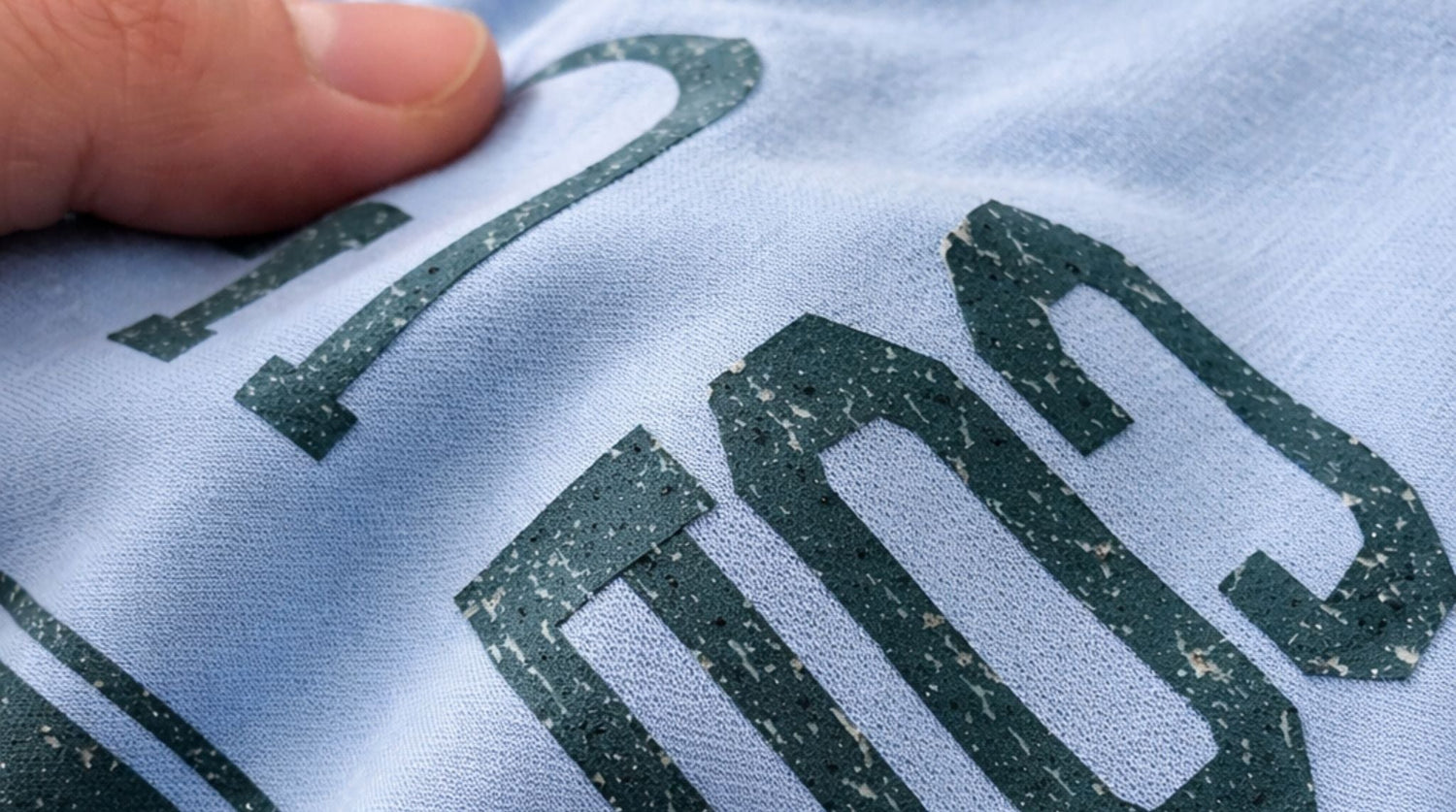
DTF (Direct-to-Film) technology has revolutionized custom apparel with its exceptional versatility, brilliant color reproduction, and compatibility across multiple fabric types. However, adhesion failures remain a persistent challenge that can frustrate both newcomers and experienced professionals. When DTF transfers fail to bond properly, it creates waste, delays, and customer dissatisfaction.
This comprehensive troubleshooting guide examines the root causes behind transfer adhesion problems and provides actionable solutions to ensure consistent, durable results every time.
The DTF Process Fundamentals
Success in DTF begins with understanding each critical stage. The process involves creating designs on specialized transfer films, applying hot-melt powder adhesive, proper curing, and final heat transfer onto garments using professional heat press equipment.
Perfect execution at every stage is essential. When any component—temperature control, pressure application, or powder distribution—falls short of specifications, transfer failure becomes inevitable.
Primary Causes of DTF Transfer Failure
1. Temperature Control Issues
Inconsistent or inappropriate heat settings represent the leading cause of adhesion problems. Heat presses that fail to maintain uniform temperature distribution across the platen create weak bonding zones.
Solutions:
- Verify temperature accuracy using infrared measurement tools
- Maintain recommended heat settings throughout the process
- Ensure even heat distribution across the entire press surface
- Calibrate equipment regularly for consistent performance
2. Pressure Application Problems
Both insufficient and excessive pressure interfere with proper adhesive activation and substrate bonding.
Solutions:
- Follow manufacturer specifications for pressure settings
- Apply medium to firm pressure consistently
- Conduct regular pressure calibration procedures
- Test pressure distribution across different areas
3. Peeling Temperature Timing
DTF materials require specific temperature conditions during film removal. Improper timing disrupts the bonding process and causes transfer lifting.
Solutions:
- Allow complete cooling before attempting film removal
- Verify cool peel requirements on transfer specifications
- Never rush the cooling process for optimal results
4. Adhesive Powder Quality and Application
Uneven powder distribution or inferior adhesive quality prevents proper bonding formation.
Solutions:
- Distribute powder evenly across all printed areas
- Remove excess powder through proper shaking techniques
- Complete full curing before heat press application
- Use high-quality adhesive materials consistently
5. Moisture Contamination
Humidity and moisture create barriers that prevent proper adhesive bonding with fabric fibers.
Solutions:
- Pre-press all substrates for 10-15 seconds before transfer application
- Maintain controlled storage conditions for films and garments
- Work in climate-controlled environments when possible
Substrate Compatibility Considerations
Fabric selection significantly impacts transfer success rates. Different materials respond uniquely to DTF applications, with some presenting greater adhesion challenges.
Optimal Results:
- Choose 100% cotton or cotton blend materials
- Ensure clean, dry, wrinkle-free substrate preparation
- Avoid textured areas and seam placement
- Test compatibility with new fabric types
Environmental Impact on Transfer Success
Workshop conditions directly influence adhesion quality. Temperature fluctuations and humidity variations can compromise even perfectly executed techniques.
Environmental Controls:
- Store transfers in sealed containers with moisture protection
- Maintain consistent temperature and humidity levels
- Protect UV DTF materials from air exposure
- Monitor environmental conditions regularly
UV DTF Specialized Applications
UV DTF technology requires modified techniques for hard surface applications. These materials adhere to surfaces like plastic, metal, and glass using different bonding mechanisms.
UV DTF Best Practices:
- Prepare surfaces through thorough cleaning
- Apply consistent pressure during transfer
- Verify surface compatibility before application
- Follow specialized curing procedures
Professional Application Guidelines
Consistent results require systematic approaches and quality material selection:
Pre-Application Preparation: Remove moisture and smooth fabric surfaces through pre-pressing at appropriate temperatures for 5-10 seconds.
Material Quality Standards: Invest in premium DTF films, inks, and adhesive powders. Quality materials provide superior adhesion even when technique variations occur.
Powder Application Technique: Create uniform coverage through proper sprinkling and excess removal. Consistent powder distribution ensures even bonding across the entire design.
Proper Curing Methods: Achieve complete adhesive crystallization using appropriate heat sources. Properly cured adhesive creates the glossy finish necessary for effective bonding.
Transfer Timing: Respect cool peel requirements and allow complete cooling. Premature removal causes design lifting and transfer failure.
Equipment Calibration: Maintain proper pressure and temperature settings through regular equipment verification and adjustment.
Storage Protocols: Preserve material quality through controlled storage in moisture-free environments away from direct sunlight.
Achieving Consistent Quality Results
Professional DTF success depends on meticulous attention to process details. Each variable—from material selection to environmental conditions—contributes to final adhesion quality.
For reliable DTF materials and expert guidance, visit Florida DTF Factory. Our commitment to quality ensures your projects achieve professional standards with every application.
Frequently Asked Questions
Why won't my DTF transfer adhere to fabric? Common causes include incorrect temperature settings, inadequate pressure application, fabric moisture, or uneven powder distribution during preparation.
How can I improve DTF transfer adhesion? Maintain proper temperature and pressure settings, ensure complete powder curing, follow cool peel procedures, and pre-press substrates while storing materials in dry conditions.
Is it possible to overheat DTF transfers? Excessive heat degrades adhesive properties, causing poor bonding or burned appearances. Always follow recommended temperature specifications.
What causes DTF transfers to peel after application? Peeling typically results from incomplete adhesive curing, incorrect removal timing, inferior film quality, or insufficient heat and pressure during application.
Why do DTF transfers fail on certain substrates? Surface moisture, fabric texture irregularities, or contamination prevent proper adhesion. Ensure substrate compatibility and proper surface preparation before application.
What is the correct substrate pre-heating procedure? Use heat press equipment at 300-315°F for 10-15 seconds to eliminate moisture and create smooth surfaces for optimal transfer adhesion.
My materials are high-quality, but transfers still fail. What should I check? Verify press temperature accuracy, confirm complete powder curing, and assess environmental conditions. Premium materials require proper technique and controlled conditions.
Do environmental factors affect DTF transfer success? High humidity and temperature variations cause moisture buildup and inconsistent adhesion. Maintain dry, climate-controlled working conditions for optimal results.

Leave a comment
This site is protected by hCaptcha and the hCaptcha Privacy Policy and Terms of Service apply.