

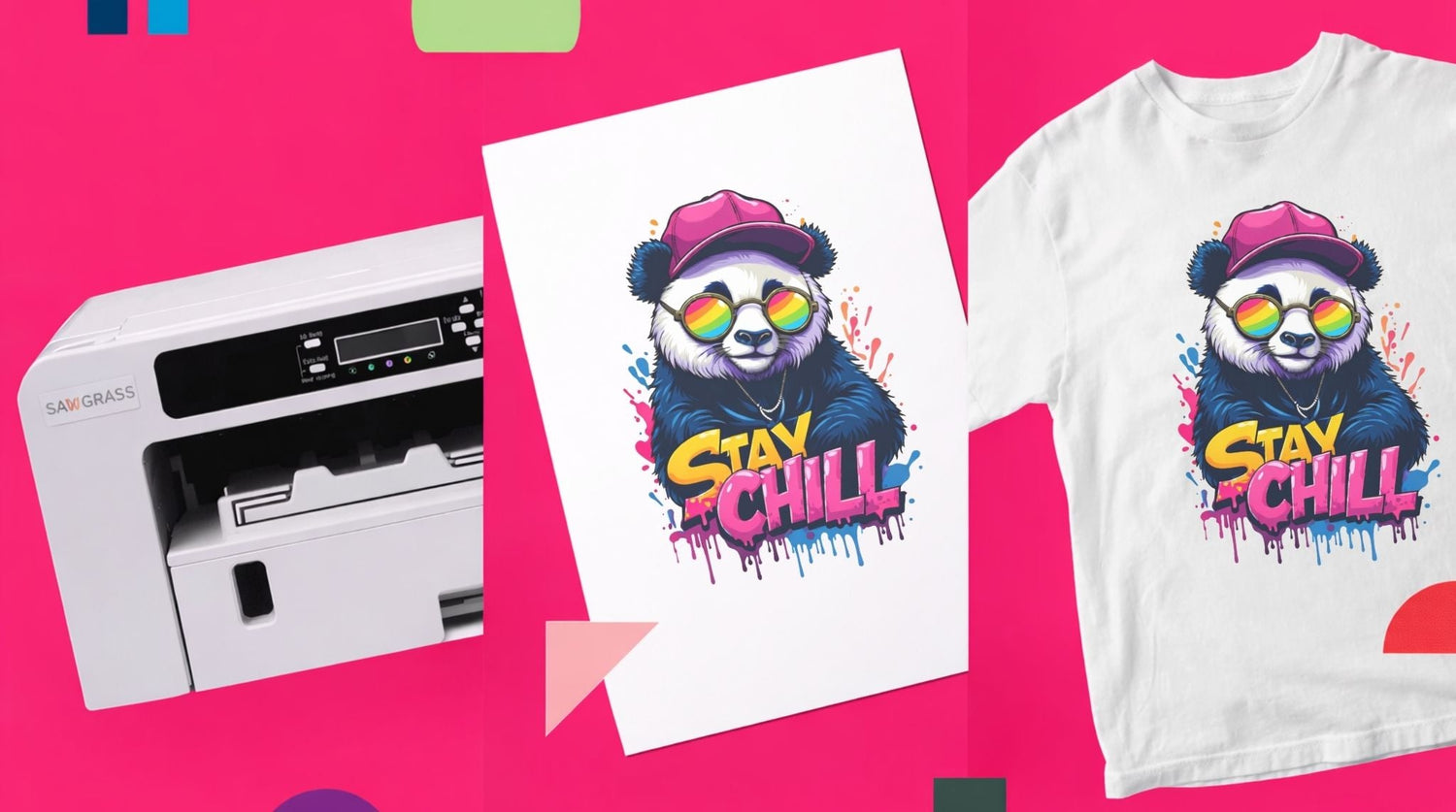
Walking through craft stores, you'll notice countless products featuring stunning, detailed designs on T-shirts, bags, and mugs. These vibrant creations capture attention and spark curiosity about their creation process. The answer lies in specialized printing technologies like DTF and sublimation.
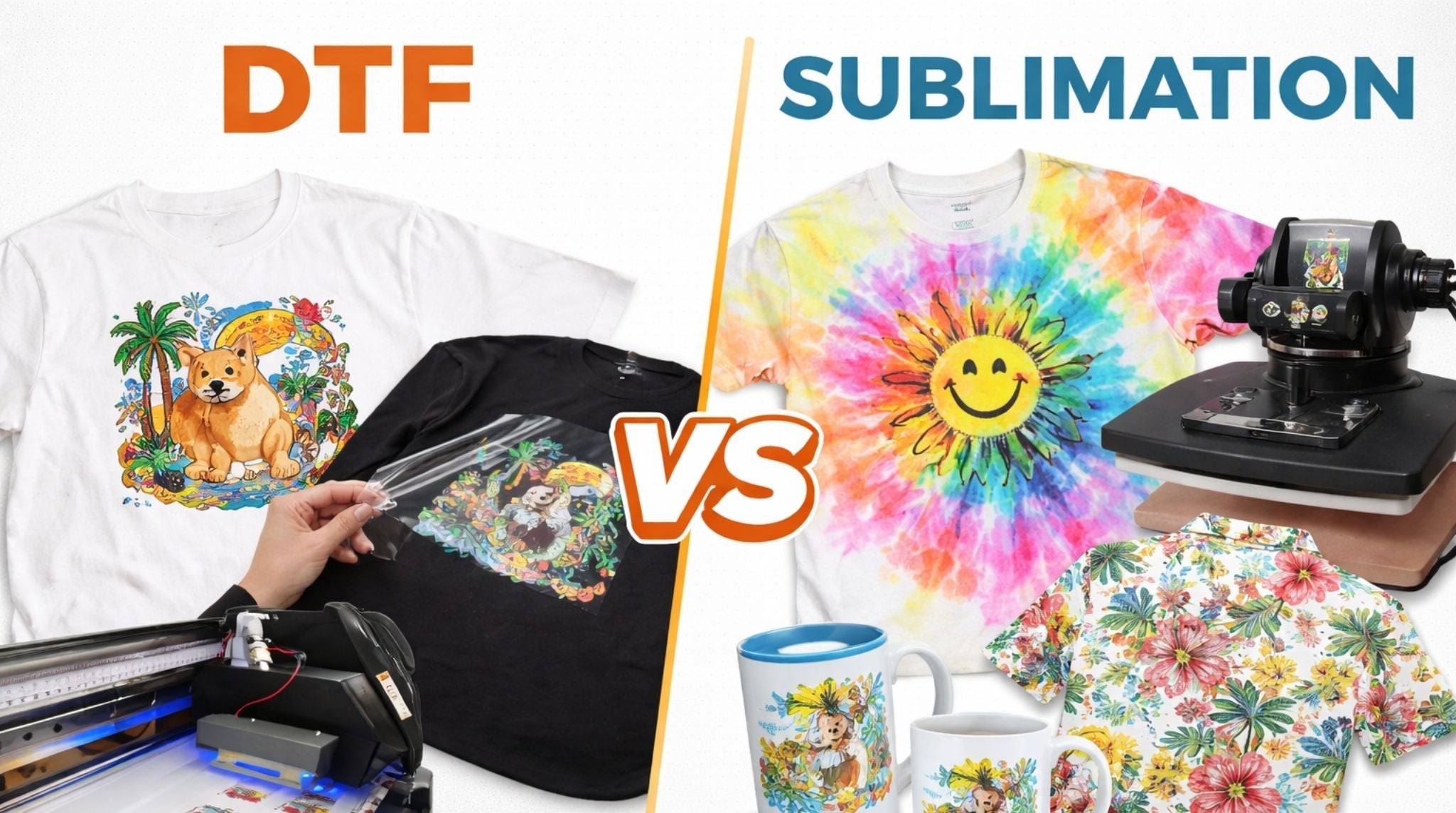
While these methods might appear similar initially, they represent entirely different approaches with unique characteristics and applications. Understanding whether DTF equals sublimation requires examining their fundamental differences, comparing processes, and exploring their respective advantages.
This guide breaks down DTF printing versus sublimation, analyzes ink differences, and helps determine which method suits your specific needs.
DTF Printing and Sublimation Fundamentals
Direct-to-Film (DTF) Technology
DTF represents an innovative approach using eco-friendly, water-based inks printed onto specially coated films. The process involves applying adhesive powder over the printed design, followed by curing to create transfer-ready films that bond with fabrics through heat press application.
This technology excels in producing vibrant, durable designs with photorealistic quality across diverse materials, making it increasingly popular in custom apparel production.
Sublimation Process Overview
Sublimation employs heat-activated inks that transform directly from solid to gas states without liquid phases. This unique characteristic allows ink molecules to penetrate fabric fibers completely, creating permanent bonds that resist cracking and fading.
The process requires specific conditions and materials but delivers exceptional image quality with seamless integration into fabric structure.
Core Differences Between DTF and Sublimation
Material Compatibility Comparison
DTF technology accommodates virtually any fabric type, including cotton, polyester, blends, and both light and dark-colored materials. This versatility makes it ideal for diverse applications without material restrictions.
Sublimation remains limited to polyester-based fabrics and requires white or very light-colored substrates for optimal results. The high synthetic fiber content requirement restricts its application range significantly.
Transfer Process Distinctions
DTF relies on adhesive bonding to attach designs onto fabric surfaces. The process uses specialized transfer films that carry the design from printer to final substrate through heat press application.
Sublimation achieves permanence through molecular-level ink integration with fabric fibers. Heat transforms solid ink into gas, allowing deep penetration and permanent bonding without adhesive layers.
Color Vibrancy and Appearance
DTF produces exceptionally vibrant colors since ink sits atop fabric surfaces rather than integrating within fibers. This positioning creates bold, eye-catching designs with intense color saturation.
Sublimation creates softer color appearances as ink bonds molecularly with fabric. While less vibrant than DTF, sublimation offers superior smoothness and professional finish quality.
Equipment and Setup Considerations
DTF requires specialized equipment including dedicated DTF units and heat press systems. Initial investment costs tend to be higher due to equipment complexity and material requirements.
Sublimation also demands specific equipment but can offer better cost-effectiveness for high-volume production runs. Setup complexity varies based on production scale and quality requirements.
Advantages and Limitations Analysis
DTF Printing Benefits
DTF excels in fabric versatility, working effectively across cotton, polyester, nylon, and blend materials. The technology produces vibrant colors with exceptional detail reproduction on both light and dark garments.
Results showcase vivid appearances with professional-quality finishes suitable for complex designs and photorealistic images.
DTF Printing Drawbacks
Operating DTF systems involves greater complexity compared to traditional methods. Equipment costs exceed sublimation alternatives, and prints may experience cracking or peeling over extended periods.
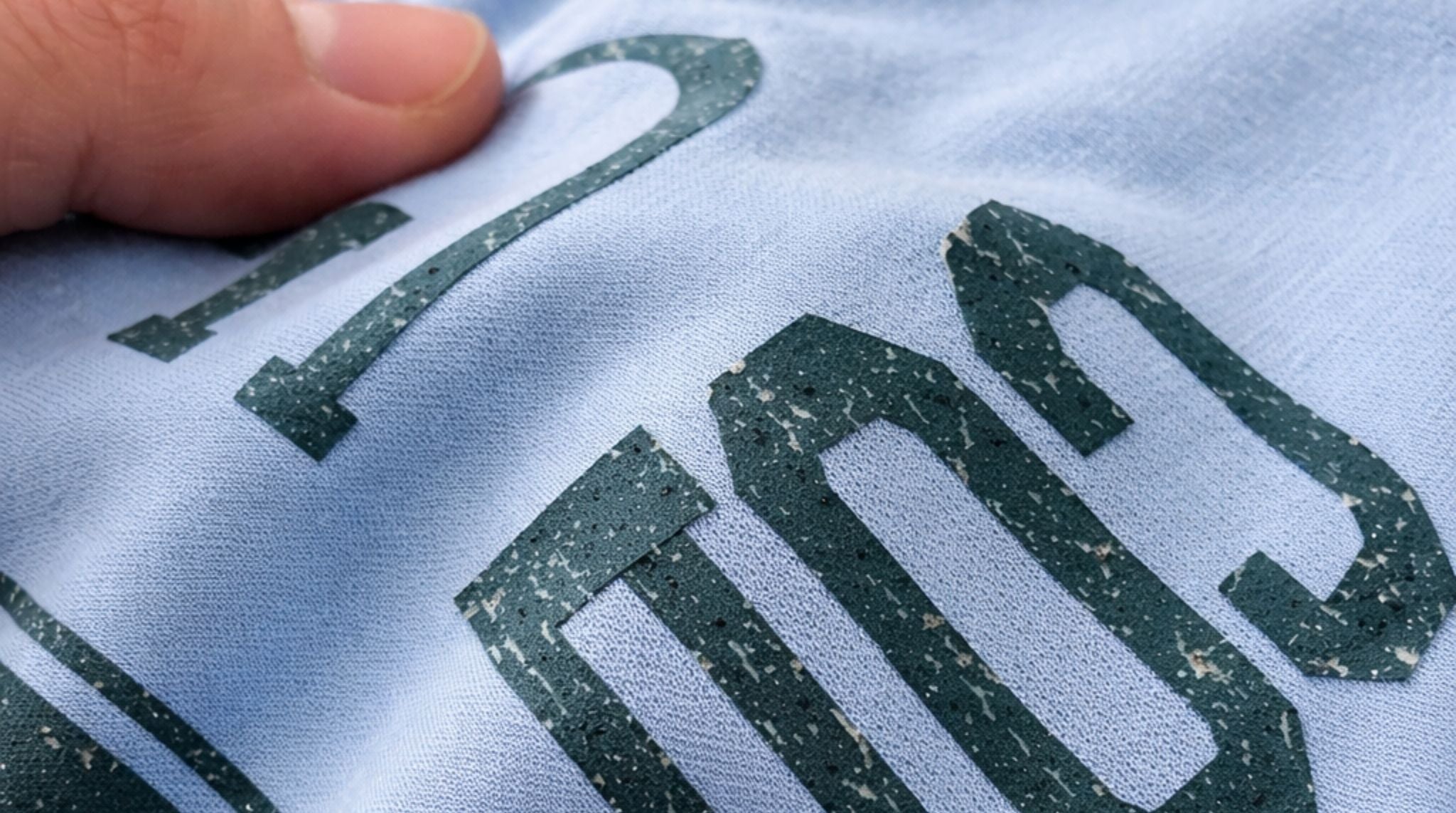
Texture feels less soft compared to sublimation results, which some users find less appealing for certain applications.
Sublimation Advantages
Sublimation delivers photo-quality prints with superior durability compared to surface-applied methods. The process creates smooth gradients and sharp detail reproduction without risk of cracking or peeling.
Designs become permanent fabric components, resistant to washing and wear over extended periods.
Sublimation Limitations
Material restrictions limit sublimation to polyester fabrics exclusively, preventing use on natural fibers like cotton. Color requirements restrict applications to white or very light substrates only.
Prolonged light exposure may cause gradual fading, and equipment requires regular maintenance for consistent performance.
Equipment Compatibility Questions
The concept of combined DTF sublimation equipment creates confusion among users seeking versatile solutions. While both processes share heat transfer principles, they remain fundamentally different technologies requiring specific equipment and materials.
DTF operates through film-based transfers across multiple material types, while sublimation focuses on gas-phase ink bonding with polyester fibers exclusively. Cross-compatibility attempts often produce suboptimal results due to different operating requirements.
Some users explore using DTF equipment with sublimation inks, but this approach rarely delivers satisfactory outcomes. Each technology performs best with its designed materials and processes.
Transfer Materials and Applications
DTF transfer films serve as the foundation for successful DTF applications. These transparent films work with specialized DTF inks to create durable, photorealistic designs across diverse fabric types including cotton, blends, and non-polyester materials.
Understanding ink differences proves crucial for optimal results. DTF inks pair specifically with transfer films for multi-material applications, while sublimation inks transform into gas during heat transfer for polyester bonding.
Various experimental approaches exist, but understanding fundamental differences ensures better results with minimal trial and error. Using appropriate materials for each specific process guarantees optimal performance and durability.
Choosing the Right Printing Method
Selecting between DTF and sublimation depends entirely on your specific requirements and project goals. DTF offers unmatched versatility, vibrant color reproduction, and freedom to work across virtually any fabric type, making it ideal for diverse applications.
Sublimation excels when creating detailed, permanent designs specifically for polyester materials. The process delivers exceptional durability and professional finish quality for compatible substrates.
Consider material requirements, color preferences, durability needs, and budget constraints when making your decision. Both technologies offer unique advantages suited to different application scenarios.
Ready to explore advanced custom apparel solutions? Florida DTF Factory provides comprehensive DTF technology and materials to elevate your creative projects with professional results.
Frequently Asked Questions
Can sublimation ink work with DTF films? No, sublimation ink cannot function properly with DTF films. DTF technology requires specialized DTF inks designed for adhesive transfer processes and material compatibility.
What distinguishes sublimation from DTF printing? Sublimation bonds ink molecularly with fabric fibers, creating smooth, integrated designs. DTF uses adhesive transfer processes with slightly textured results but offers greater material versatility.
What exactly are DTF prints? DTF prints involve transferring vibrant designs onto specialized films, then heat-pressing them onto various materials. This process enables seamless reproduction of complex colors and intricate details.
Is DTF ink interchangeable with sublimation ink? No, DTF and sublimation inks cannot be used interchangeably. They feature distinct formulations, transfer requirements, and temperature specifications designed for their specific processes.
Are DTF and sublimation inks identical? DTF and sublimation inks differ completely in formulation, application methods, and intended uses. DTF ink works with film-based transfers, while sublimation ink requires heat-activated gas transformation for polyester bonding.

Leave a comment
This site is protected by hCaptcha and the hCaptcha Privacy Policy and Terms of Service apply.